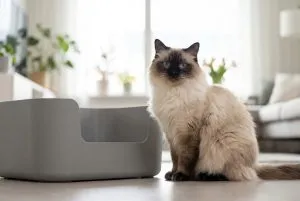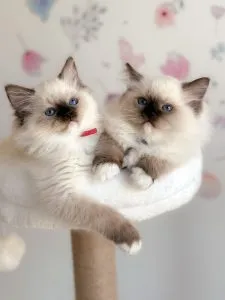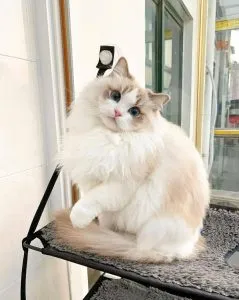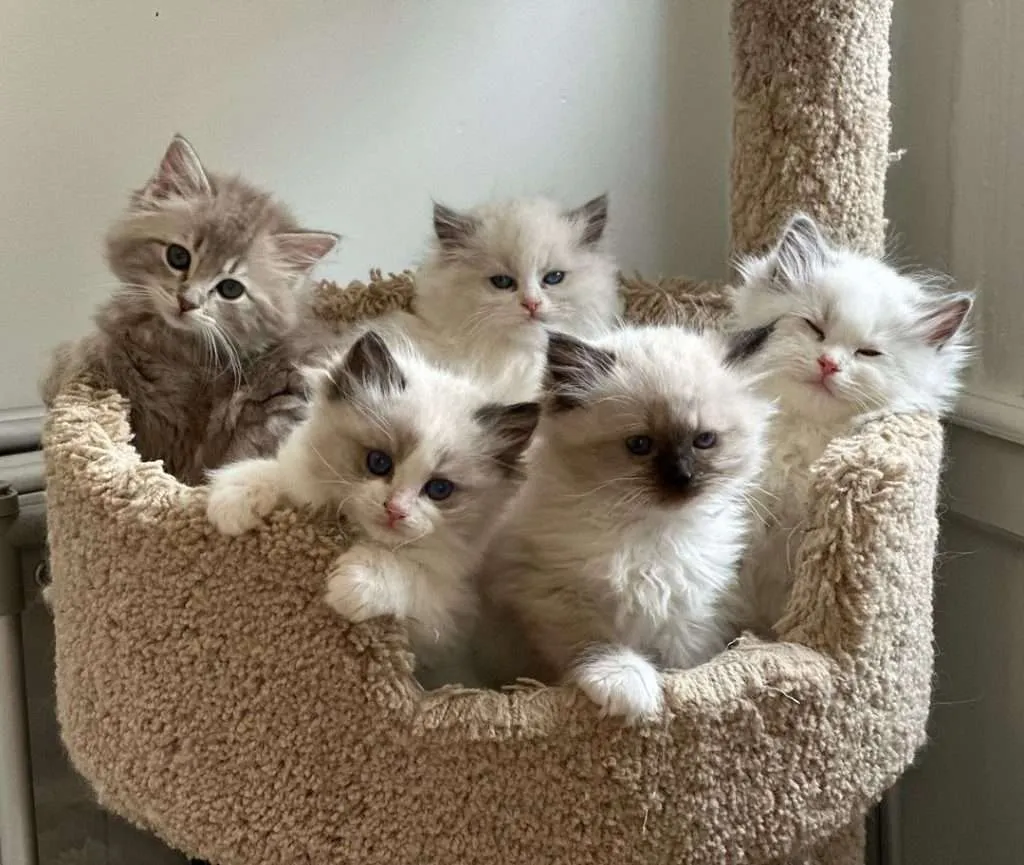
Congratulations on your decision to welcome a Ragdoll kitten into your home! You’re probably feeling excited about bringing home one of these beautiful cats, and that comes with both joy and some responsibility. Getting ready for your Ragdoll kitten is key to helping your new family member settle comfortably into their forever home.
Ragdolls are known for their gentle personality, their habit of relaxing when held (that’s actually why they’re called Ragdolls!), and their colored point coats. Unlike many other cats, Ragdolls are super friendly, smart, and grow to be quite large—all things to keep in mind as you prepare your home. Since they’re a special breed with particular needs, taking time to set everything up properly will help your Ragdoll kitten thrive from day one.
Here at Posh Raggies, we’ve noticed that families who do thorough preparation before their Ragdoll kitten arrives have a much easier adjustment period. These wonderful cats deserve a carefully prepared home that meets their specific needs.

Ragdoll Kitten Supplies Checklist
Feeding Your Ragdoll
Getting your Ragdoll’s diet right from the start helps build the foundation for a lifetime of good health. Since these cats get quite big, they have special nutrition needs to help them develop properly.
Quality Kitten Food
Ragdoll kittens do best with high-quality, protein-rich foods made specifically for growing kittens. We recommend:
- Purina ONE +Plus Healthy Kitten (Posh Raggies’ choice)
- Orijen Kitten (grain-free with excellent protein sources)
- Hill’s Science Diet Kitten (recommended by vets)
At Posh Raggies, we’ve raised generations of healthy Ragdolls using premium food. Spending a bit more on quality food now pays off with a beautiful coat, proper growth, and fewer health problems later on.
Food and Water Bowls
For Ragdolls, try using wide, shallow ceramic dishes that fit their broad faces and make eating comfortable. Stainless steel bowls are also great since they don’t hold bacteria and you can pop them in the dishwasher for easy cleaning. As your kitten gets bigger, raised feeding stations can help take pressure off their neck and aid digestion. Many Ragdoll owners love water fountains because these cats often prefer running water, which helps them drink enough. Don’t use plastic dishes—they can cause chin acne in cats and trap bacteria in tiny scratches that form over time.
Litter Box Setup
Ragdolls grow to be big cats, often weighing 15-20 pounds when fully grown. Plan ahead by getting extra-large litter boxes with low sides that your kitten can use now and still access easily when they’re bigger. Many Ragdolls like covered litter boxes for privacy when they go to the bathroom, though each cat has their own preferences. We suggest using high-quality clumping litter without scents to help control odors while avoiding irritating your cat’s breathing. A good litter mat around the box is especially important for Ragdolls since their long fur tends to catch and track litter throughout your home.
Pro tip: Always keep litter boxes away from where your cat eats and drinks, ideally in quiet, easy-to-reach spots where your cat won’t be bothered. If you have a multi-level home, put at least one box on each floor so your Ragdoll always has a convenient place to go.
Scratching Spots
To protect your furniture while meeting your Ragdoll’s natural need to scratch, choose wisely. Get tall, sturdy scratching posts at least 36 inches high so your adult Ragdoll can fully stretch out. Also add some flat scratching pads, since many Ragdolls prefer scratching in this position. Posts covered with sisal rope tend to be big hits, as most cats love this texture for maintaining their claws. Think about putting some cardboard scratchers around your home too—they’re affordable and easy to replace when worn out.
Keep in mind that Ragdolls can reach pretty high when fully grown, so investing in substantial scratching furniture now saves you from having to buy replacements later as your kitten grows into a full-sized cat.
Comfortable Resting Areas
Ragdolls are famously cuddly and love being comfy. Get plush, supportive cat beds that are big enough to fit your kitten as they grow up, since these cats tend to stretch out when they relax. Window perches are great additions to your home, giving your Ragdoll spots for sunbathing—a favorite activity for this sun-loving breed. Include some cozy cave-style beds that create safe hideaways where your kitten can feel secure while resting. Add soft blankets in different places around your home to give your Ragdoll more comfort options as they explore and pick their favorite spots to rest.
Travel Necessities
Get good transportation equipment right from the start to make sure your Ragdoll has comfortable, safe travel experiences. Pick a hard-sided carrier that’s big enough to allow for your kitten’s growth—many Ragdoll owners eventually need to switch to dog-sized carriers as their cats reach full size. Add absorbent liner pads to the carrier to handle any accidents that might happen during stressful trips, and think about using a calming pheromone spray to create a more relaxing environment during travel. A carrier cover is also handy, giving privacy during potentially overwhelming vet visits and helping your kitten feel more secure in new places.
Grooming Supplies
Ragdolls have semi-long, silky fur that needs regular care:
- Stainless steel wide-tooth comb to prevent tangles
- Soft bristle brush for daily grooming
- Flea comb for close inspection
- Pet-safe wet wipes for quick cleanups
- Nail trimmers designed for cats
- Gentle cat shampoo (for occasional baths)
Starting grooming routines early helps your kitten develop positive feelings about being groomed. We suggest short, positive sessions beginning the first week your kitten is home, even if their coat isn’t fully grown in yet.
Fun Toys
Ragdolls are smart and playful, despite their laid-back reputation. Stock up on interactive wand toys that are perfect for bonding sessions where you can play directly with your kitten and strengthen your relationship. Add some puzzle feeders that challenge their problem-solving skills while making mealtime more interesting. Include several plush toys made for “bunny-kicking,” a favorite play behavior where Ragdolls grab toys with their front paws while kicking with their back legs. Bring in some variety with crinkle balls and toys that make gentle sounds to get your Ragdoll’s attention. Don’t forget to prepare for the future with catnip toys, which become effective when your kitten reaches about six months old and develops sensitivity to this natural stimulant.
Furniture for Climbing and Perching
While not as athletic as some breeds, Ragdolls still enjoy having vertical space. Get a sturdy cat tree with wide platforms that can easily hold their weight. Make sure to pick models rated for over 20 pounds to support your full-grown Ragdoll. Add some window perches secured by strong suction cups or brackets to give them more elevated resting spots. Think about putting up wall-mounted shelves to create a “cat highway” system, letting your Ragdoll move around the room from above while satisfying their mild climbing instincts. Complete the setup with comfy window seats placed strategically for bird watching, giving your Ragdoll entertainment and mental stimulation even when they’re relaxing.
Setting Up Safe Spaces
Creating a Kitten-Proof Home
Before bringing home your Ragdoll kitten, do a thorough safety check:
- Secure loose wires and cords with cord covers or bitter apple spray
- Remove toxic plants (lilies, pothos, philodendron, etc.)
- Secure cabinet doors that contain chemicals or hazards
- Check for small spaces where a kitten could become trapped
- Remove breakable items from shelves within jumping reach
- Make sure window screens are secure
Gradual Introductions
Ragdolls adapt well to new environments but still do better with a step-by-step introduction. Start by setting up a small, quiet room as a “home base” with all the essentials—food, water, litter box, and comfy bedding. Let your kitten adjust to this small space for about 3-7 days, giving them time to feel comfortable with their immediate surroundings without feeling overwhelmed. Once they seem confident in this first area, slowly allow them to explore other rooms while you supervise, letting your kitten set the pace. If you have other pets, introduce them gradually—first by exchanging scents, then with brief visual meetings that get longer as all animals show they’re comfortable with the new situation.
Keeping the Right Temperature
Ragdolls have medium-thick coats that don’t insulate as well as some breeds, which makes them somewhat sensitive to temperature changes. Keep your home between 68-72°F (20-22°C) to make sure your Ragdoll stays comfortable year-round. Give them access to sunny spots by windows where they can warm up naturally during cooler weather—something many Ragdolls really enjoy. Make sure all sleeping areas stay free from drafts, especially in winter, since cold air currents can make these moderately-coated cats uncomfortable. For extra comfort, think about getting a self-warming bed that reflects your cat’s body heat, giving them extra coziness during colder times without needing electricity.
Safe Spaces
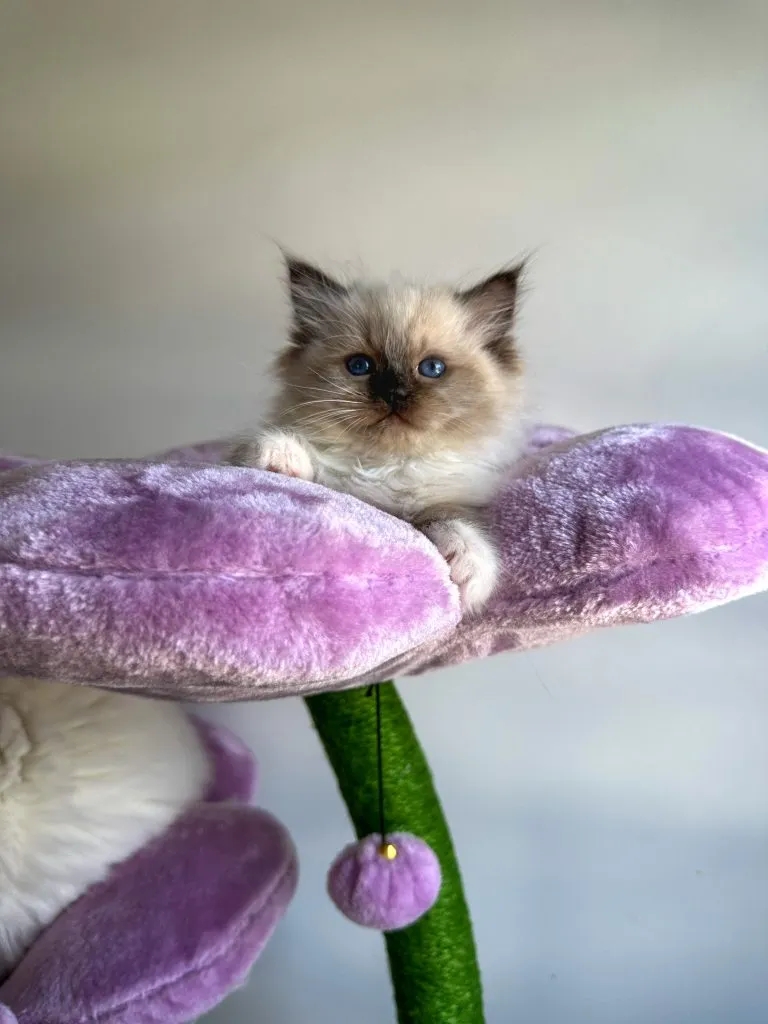
Create areas where your Ragdoll can retreat when feeling overwhelmed by setting up various calming hideaways throughout your home. Provide covered beds or cat caves that make cozy, enclosed spaces where your kitten can feel protected while still watching what’s going on around them. Set aside quiet rooms away from the main household traffic where your Ragdoll can escape when things get too exciting. Set up high perches on shelves or furniture that offer security through height, letting your cat feel safe while still seeing what’s happening in the household. If it’s safe and okay in your home, consider allowing access to closets with doors left slightly open, as many cats naturally look for these partially enclosed spaces for comfort while they’re adjusting.
Ragdoll-Specific Needs
Size Accommodations
Ragdolls are among the largest house cats. Plan ahead with:
- Extra-large litter boxes
- Sturdy furniture that can support bigger cats
- Roomy resting areas
- Carriers big enough for their adult size
- Feeding stations with plenty of space
Fur Care
The silky, semi-long coat of a Ragdoll needs specific care to keep it looking beautiful. Comb your cat thoroughly every two weeks as a basic part of your care routine, paying special attention to “trouble spots” like armpits, belly, and neck ruff where tangles usually form first. Plan for extra grooming during heavy shedding seasons, typically spring and fall, when your Ragdoll will lose more of their undercoat. Think about scheduling professional grooming every three months, especially when your kitten’s adult fur is growing in and changing texture. Throughout your Ragdoll’s life, regularly check for mats, which these cats tend to develop because their silky fur can easily tangle where it rubs against itself or furniture.
Unlike some longhaired breeds, Ragdolls don’t usually grow a thick undercoat. However, their silky fur can still tangle, especially in areas with friction. Regular grooming prevents painful mats from forming.
Activity
Even with their relaxed reputation, Ragdolls still need regular exercise:
- Plan for 2-3 interactive play sessions each day
- Give them climbing options (though they’re less important than for athletic breeds)
- Switch out toys regularly to keep things interesting
- Create enrichment with puzzle feeders and training
- Be ready for “zoomies” when they get sudden bursts of energy
Social Time
Ragdolls are incredibly people-oriented cats who don’t do well when left alone for long periods. Think about your work schedule and how much alone time your cat might have before bringing home a Ragdoll kitten, as they need more companionship than many other breeds. If your household is busy, you might want to adopt two kittens so they can keep each other company. For homes with just one Ragdoll, arrange for pet sitters during longer absences to provide social interaction and care. When you need to be away, set up engaging activities through puzzle toys, window watching spots, and different toys that can entertain your cat even when you’re not there. Most importantly, make time for daily cuddle sessions when you’re home—these are truly essential for Ragdolls, as this breed loves physical affection and close contact with their human family members.
Ragdolls are often called ‘puppy cats’ for good reason. They follow their people around, greet them at the door, and really crave human interaction. This isn’t a breed that’s happy being left alone for long stretches.
Health & Wellness Preparation
How to Choose a Vet
Finding the right vet partner is key for your Ragdoll’s care:
- Look for vets who have experience with Ragdolls specifically
- Consider clinics with cat specialists
- Check for AAFP (American Association of Feline Practitioners) certification
- Schedule a “get to know you” visit before bringing your kitten
- Discuss breed-specific health concerns (HCM screening, polycystic kidney disease)
Organizing Health Records
Set up a simple system to keep track of your Ragdoll’s health information:
- Digital or physical folder for vaccination records
- Health screening documents from your breeder
- Growth chart to track development
- Food diary during the transition period
- Behavior notes to discuss with your vet
Microchipping
Our kittens come microchipped, but make sure you update the registration information right after bringing your Ragdoll home, changing the ownership details to your name, address, and contact information. Take a moment to understand how the scanning process works, including which local shelters and vet clinics have compatible scanners and what happens if your cat ever gets lost. Think about adding backup identification like a breakaway collar with an ID tag showing your current contact information, which gives immediate visual proof of ownership. Also, keep several clear, recent photos of your Ragdoll from different angles that accurately show their current markings and appearance. These pictures are incredibly helpful for making lost pet posters or online listings if your cat ever goes missing despite these precautions.
Health Insurance
Many Ragdoll owners find peace of mind through pet insurance. Look into different policies before bringing your kitten home, giving yourself time to compare options without rushing during the exciting first days with your new pet. When looking at plans, carefully compare coverage for conditions that sometimes affect Ragdolls, including heart problems (hypertrophic cardiomyopathy) and kidney issues (polycystic kidney disease). Make sure you understand waiting periods and exclusions in each policy, as these details really impact when you can use your benefits and what conditions might never be covered. Think about comprehensive wellness plans that include preventative care like vaccines, dental cleanings, and regular checkups, which help keep your Ragdoll healthy long-term. Before you decide, work out the lifetime value of each insurance option compared to possible out-of-pocket costs, keeping in mind that Ragdolls typically live 12-16 years when well cared for.
As a breed, Ragdolls are generally healthy, but like all purebred cats, they have certain genetic tendencies. Good preparation includes understanding these and having financial plans ready for healthcare throughout their lifespan.
Creating a Routine
Feeding Schedule
Setting up regular routines helps your Ragdoll kitten thrive as they grow. Feed your young kitten 3-4 small meals each day until they’re about 6 months old, which allows for proper nutrient absorption and keeps their energy steady throughout the day. Slowly switch to feeding twice daily after they reach 6 months, as their digestive system matures and their growth rate begins to slow down. Keep feeding times consistent each day to help regulate their digestion and establish predictable bathroom habits. As they grow, watch their weight development carefully, remembering that Ragdolls mature more slowly than other breeds and typically reach their full impressive size only at 3-4 years old. From early kittenhood, include wet food as a significant part of their diet, since the moisture helps support urinary tract health—particularly important for Ragdolls, who can be prone to urinary issues.
Exercise and Play
Ragdolls need planned activities that balance their relatively laid-back nature with their need for exercise and mental stimulation. Start your kitten’s day with a morning play session before work or school to burn energy and give them a positive start while they’re most active. Follow up with evening play sessions that help prevent nighttime activity by satisfying their natural dusk/dawn instincts. Save weekend time for “special” play with new toys or longer interaction, creating enrichment that breaks up the routine. Add mental challenges through gentle clicker training or puzzle feeders that engage your Ragdoll’s intelligence and problem-solving skills.
Grooming
Set up a regular grooming routine that keeps your Ragdoll’s coat healthy while creating positive handling experiences. Start with quick daily brush-throughs using a soft bristle brush, and gently clean around their eyes with a damp cloth if needed to remove any discharge. Make time each week for a more thorough comb-out with a wide-tooth stainless steel comb, paying special attention to tricky areas like the neck ruff, armpits, and hindquarters where mats often form. Trim nails every two weeks and check ears at the same time, looking for any signs of wax buildup or redness that might show irritation. Think about monthly baths only if necessary, as many Ragdolls naturally keep a pretty clean coat through self-grooming, though some enjoy an occasional bath with cat-safe shampoo. Adjust your grooming schedule seasonally, giving extra attention during spring and fall when your Ragdoll will typically shed more as their coat adapts to changing temperatures.
Sleep
Ragdolls adapt well to different sleeping arrangements but appreciate certain things for their best rest. Set consistent quiet times that help your cat develop regular sleep patterns, which is especially important when they’re first settling in. Provide several sleeping spots throughout your home, letting your Ragdoll choose places based on what feels comfortable and the room temperature. Put a comfy bed in your bedroom, as most Ragdolls really prefer sleeping near their people—many owners find their cats choosing to sleep on or near their bed rather than in a cat bed somewhere else. Set up slightly raised sleeping options like window perches and cat shelves that satisfy their moderate desire for height while helping them feel secure. Keep sleeping areas somewhat cooler when possible, since their plush, semi-long coats provide natural warmth, making overly heated sleeping spots potentially uncomfortable for these well-insulated companions.
FAQs for New Ragdoll Parents
Q: Do Ragdolls need special food compared to other cats?
A: Ragdolls don’t need a completely different diet, but they do best with high-quality kitten food before switching to adult food made for larger cats. Since they grow up more slowly than other cats, they often benefit from staying on kitten formula longer.
Q: How much space does a Ragdoll really need?
A: Ragdolls are big cats, but they’re not super active. They care more about having comfortable spots than lots of space. They want cozy perches, places to play, and room to stretch out. You can keep Ragdolls happy even in an apartment if you set up their space thoughtfully.
Q: Are Ragdolls good with children and other pets?
A: Ragdolls are known for being incredibly patient and gentle, which makes them great companions for respectful kids and most other pets. That said, it’s always best to introduce them properly and keep an eye on interactions at first.
Q: How often do Ragdolls need grooming?
A: Even though Ragdolls have silky, medium-length coats, they don’t need constant grooming—usually a good combing once or twice a week is enough, with more frequent brushing during shedding seasons.
Q: Can Ragdolls be left alone during work hours?
A: Adult Ragdolls can handle being alone during a typical workday, though they’re happiest when they have company. Kittens under six months do better with a midday visit or another pet for company. Because they’re so social, Ragdolls don’t do well if they’re regularly left alone for long periods.
Conclusion
Getting ready for your Ragdoll kitten is setting the stage for years of joy together. These special cats bring so much love, beauty, and friendship to your home, and they deserve thoughtful preparation that suits their unique needs.
Keep in mind that while this guide covers all the basics, every Ragdoll has their own personality. Watching and adjusting to your kitten’s preferences will help build your bond and make sure they thrive in your care.
As experienced Ragdoll breeders, we’re here for you long after you take your kitten home. Our starter kits come with the essential items to make the transition smoother, and we’re always available to answer your questions throughout your Ragdoll’s life.
Have specific questions about getting ready for your Ragdoll kitten? Reach out to us. We care about your kitten’s happiness just as much as you do!
About Posh Raggies
We’re proud to breed Ragdoll and Cherubim kittens that showcase the gentle, loving personality these cats are famous for. Our cattery is in New Jersey, just 20 minutes from NYC, and we’re officially registered with TICA & CFA. We raise healthy, well-socialized kittens from champion bloodlines.
Our kittens grow up in our home—never in cages—which helps them become trusting, relaxed companions ready to join your family. We truly love this special breed and make sure each kitten gets all the love and attention they deserve.
Thinking about bringing a Ragdoll kitten into your home? We’d love to chat! You can submit an application or contact us directly to find out about our available kittens and upcoming litters.